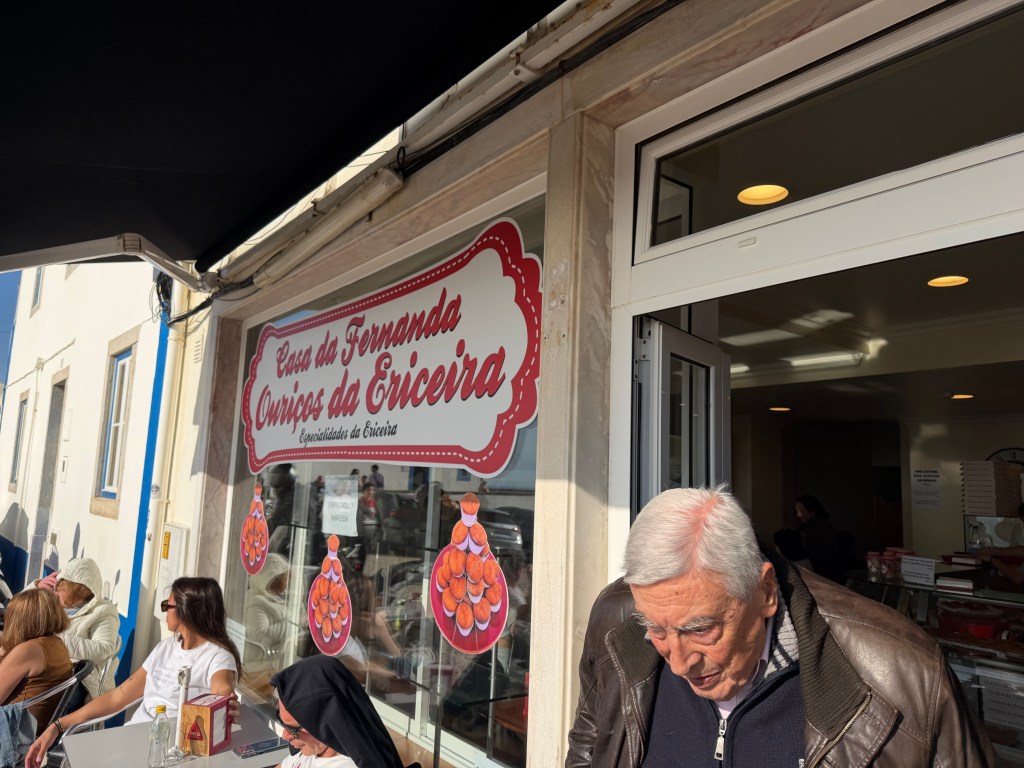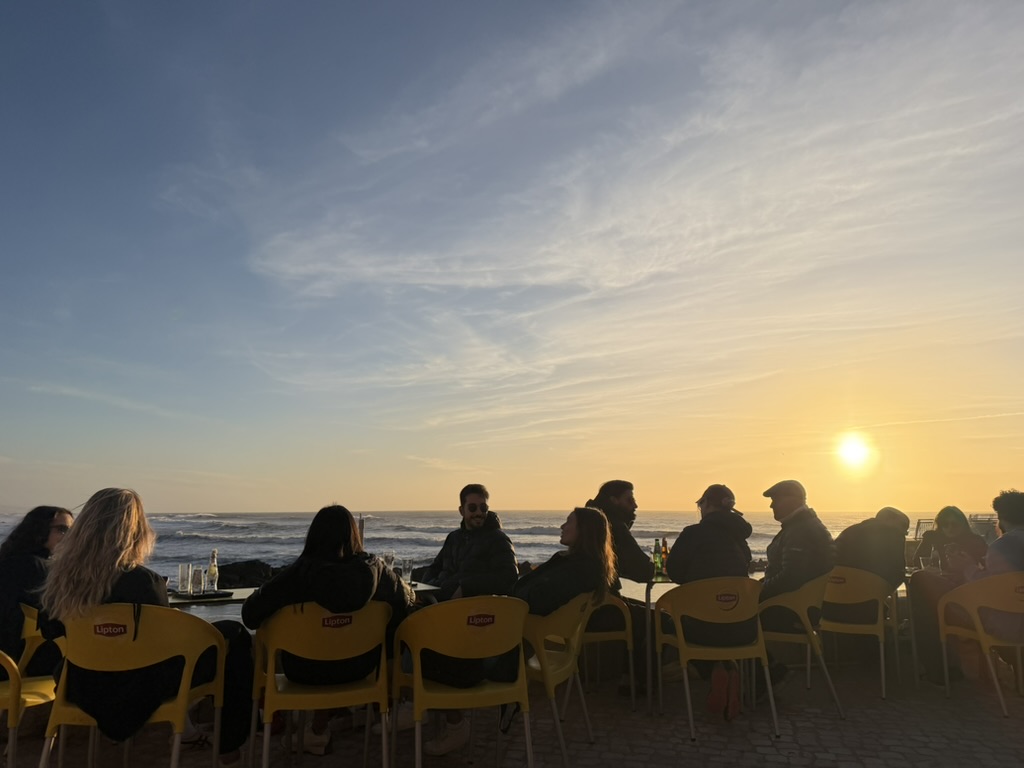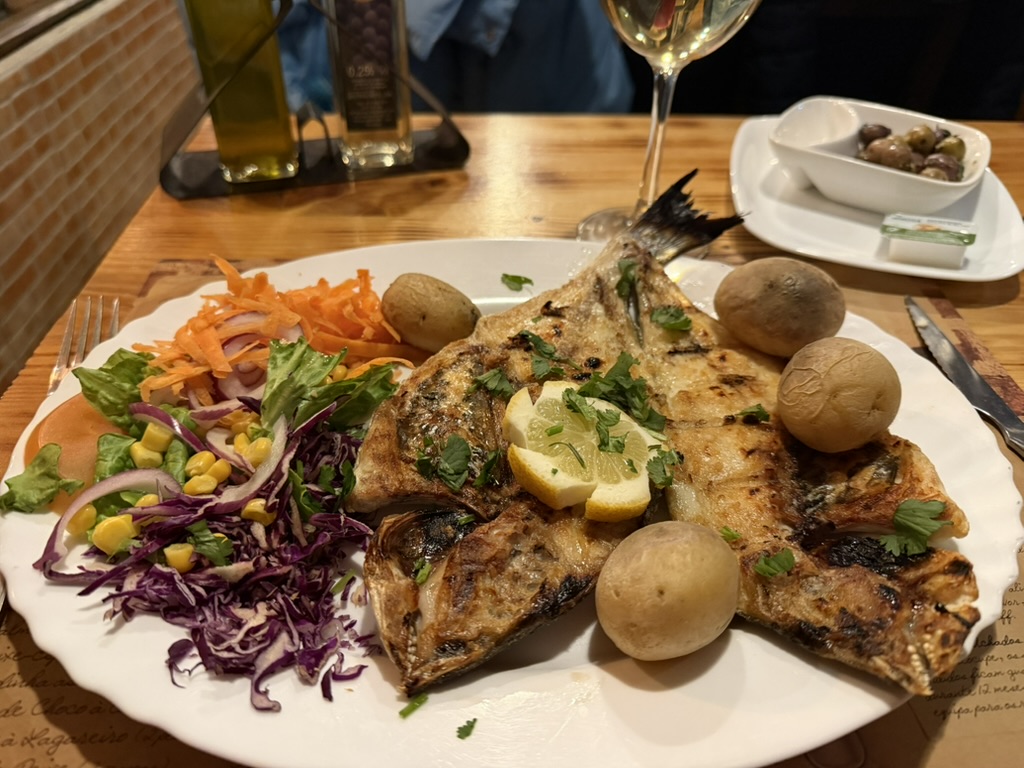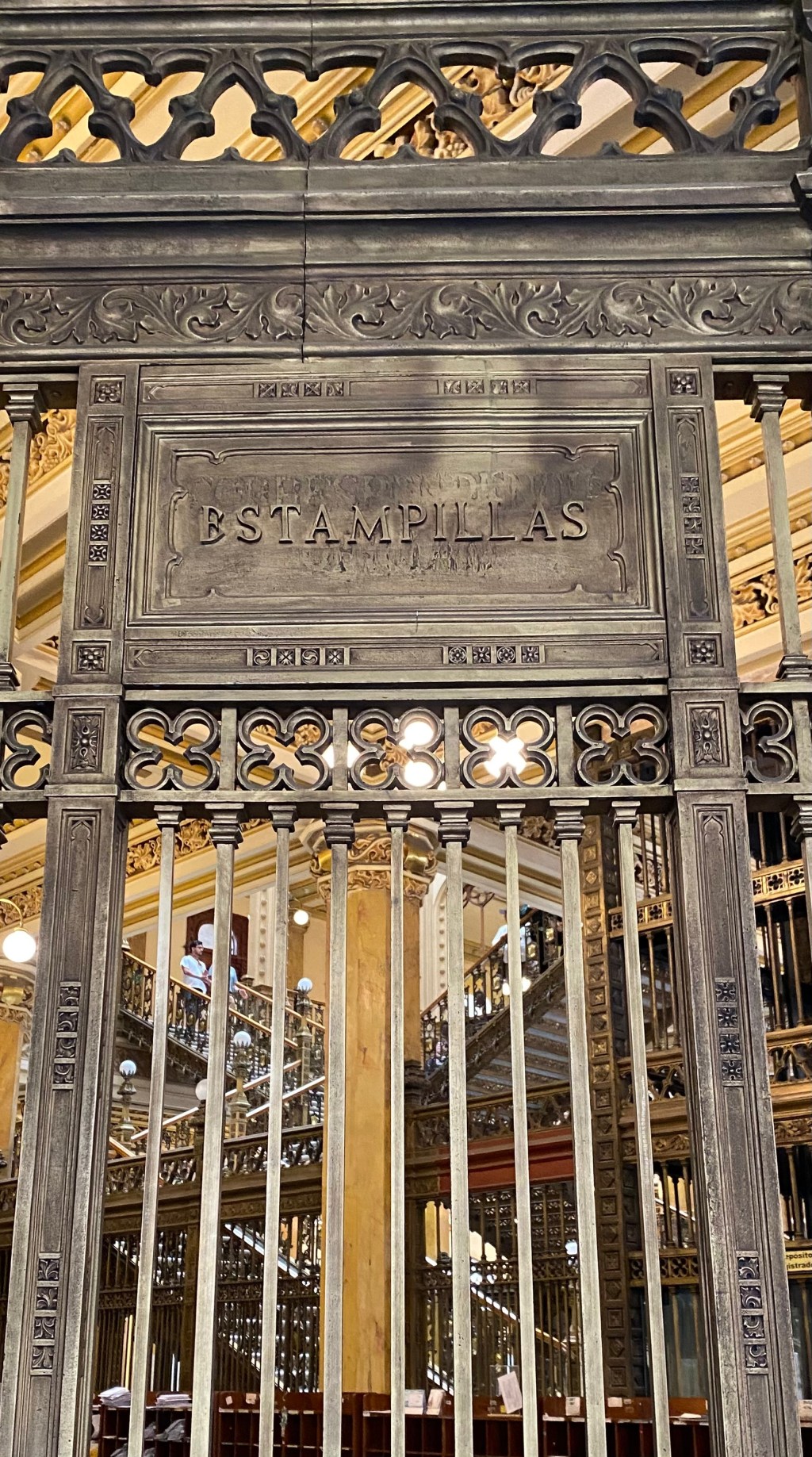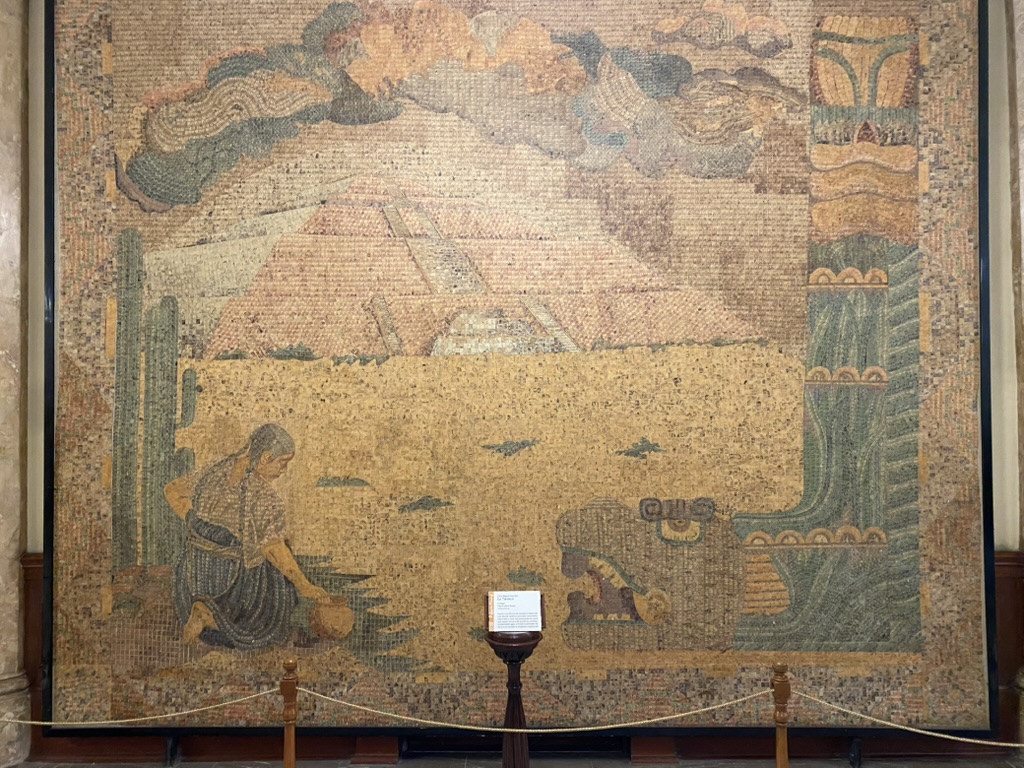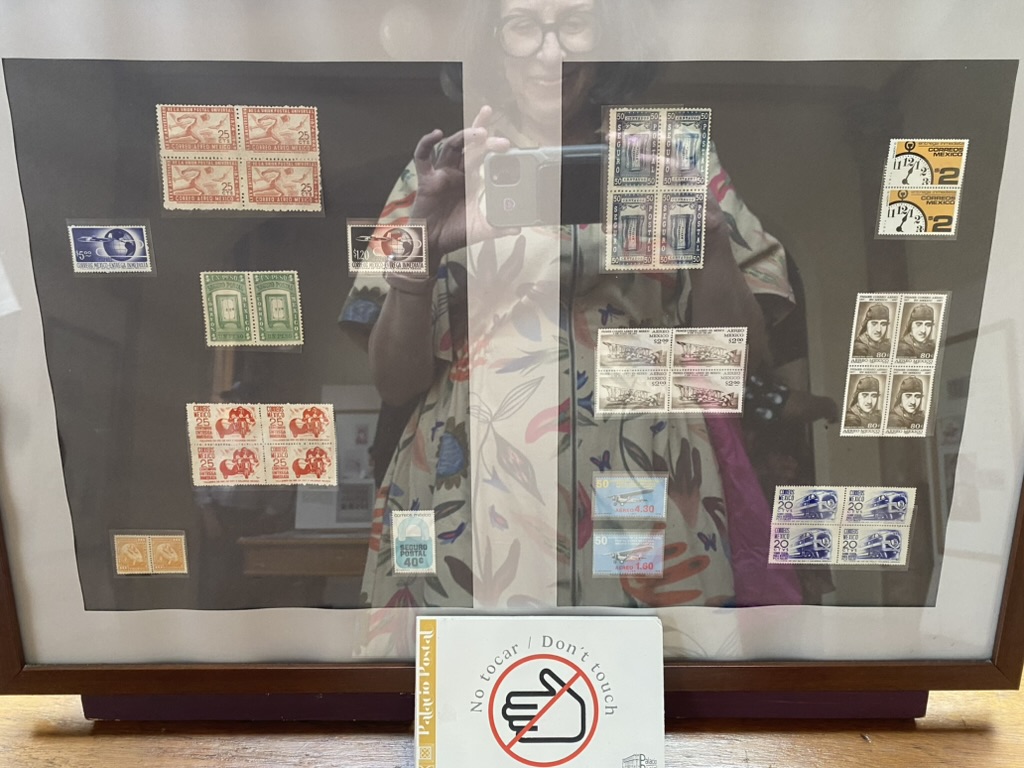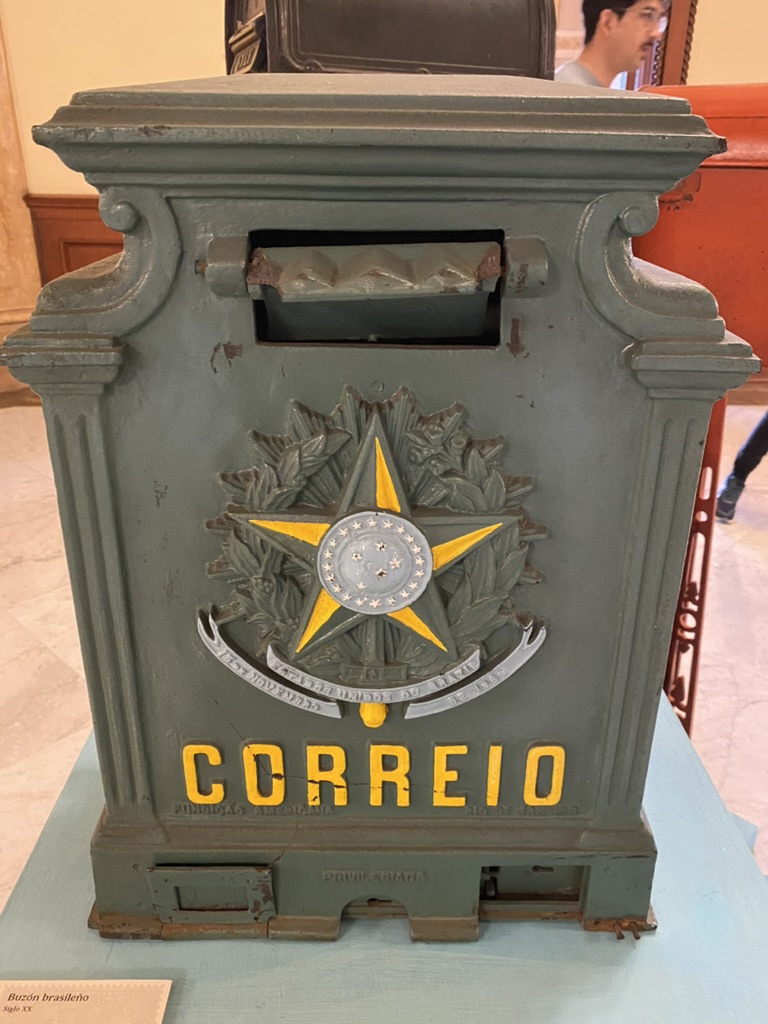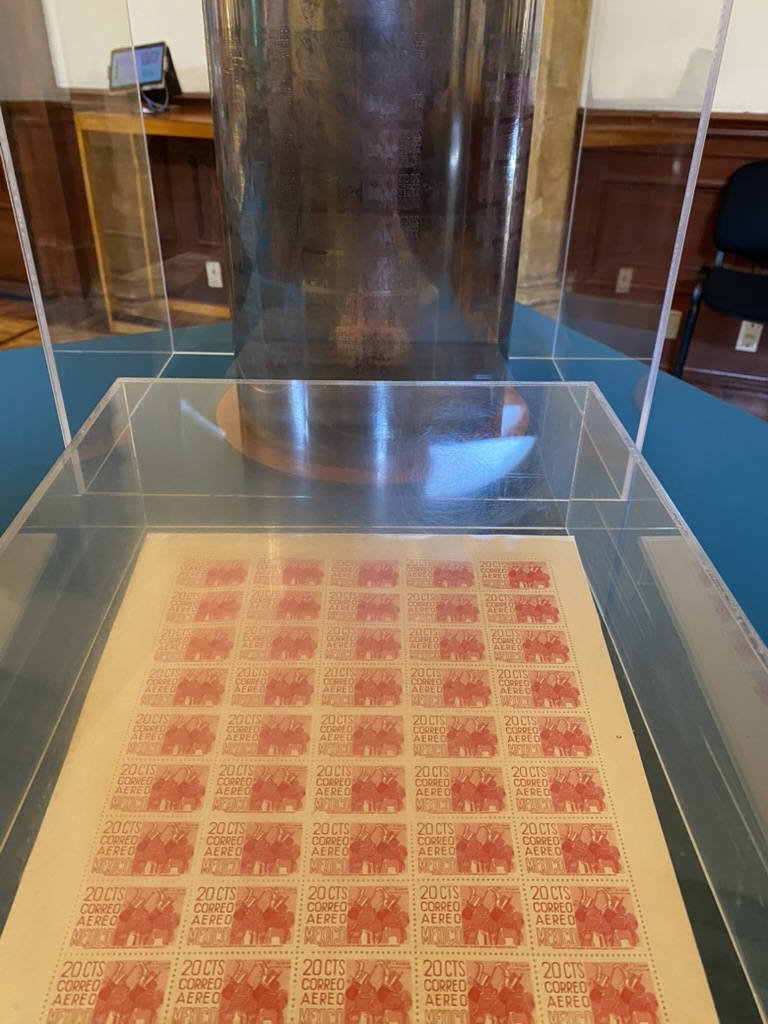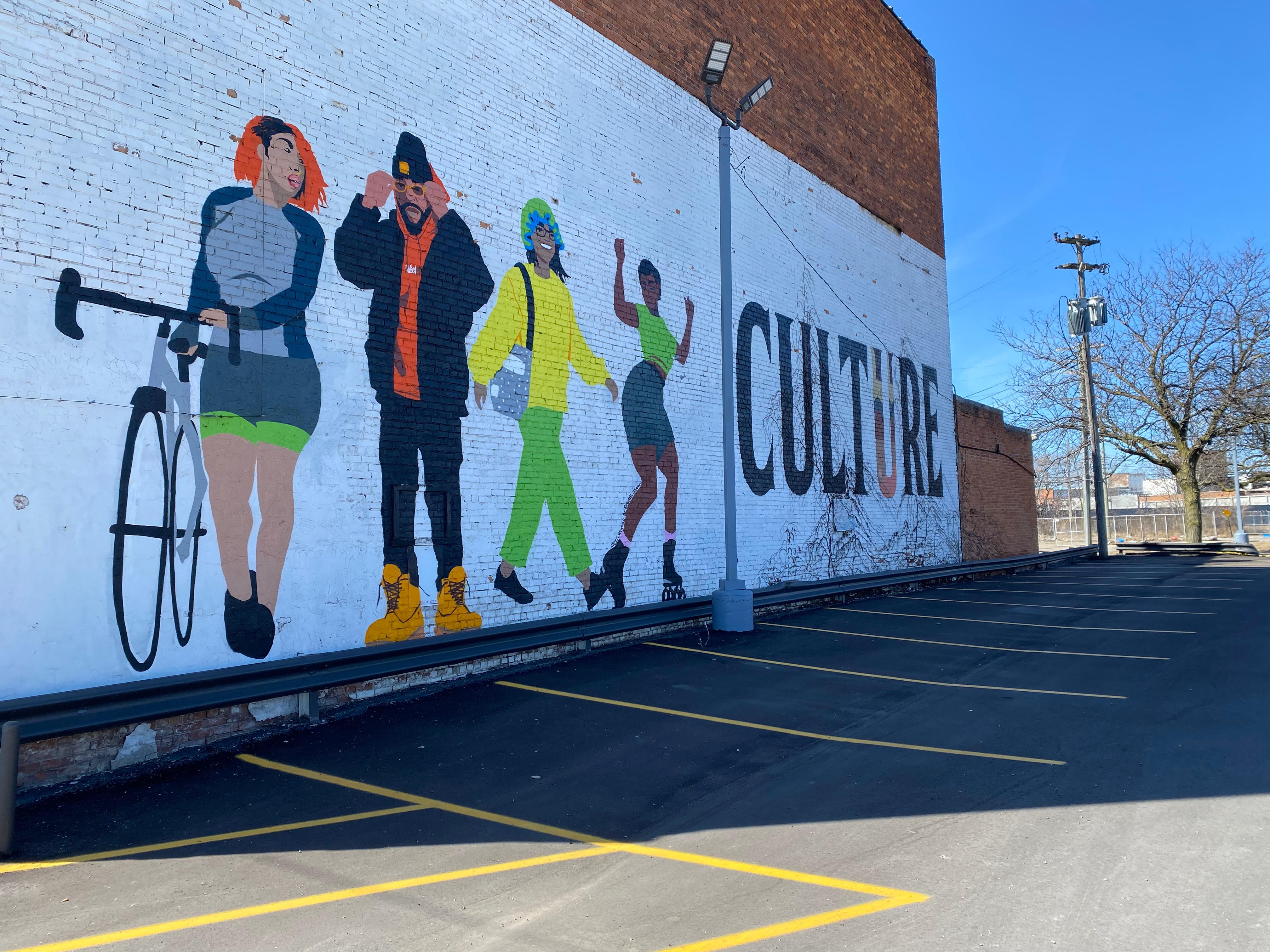
This link was forwarded to me, and it’s fun to make a guess about where in the world you might be. It reminds me of the Carmen Sandiego game from years ago! And when you place the pin on the map correctly within a certain range, confetti flies. Who doesn’t love confetti?
Category: Travel
-
No comments on City Guesser
-

The skies are blue, the days are sunny. The wind blows fiercely, which I love, whipping my hair across my face, blowing away all my cares.
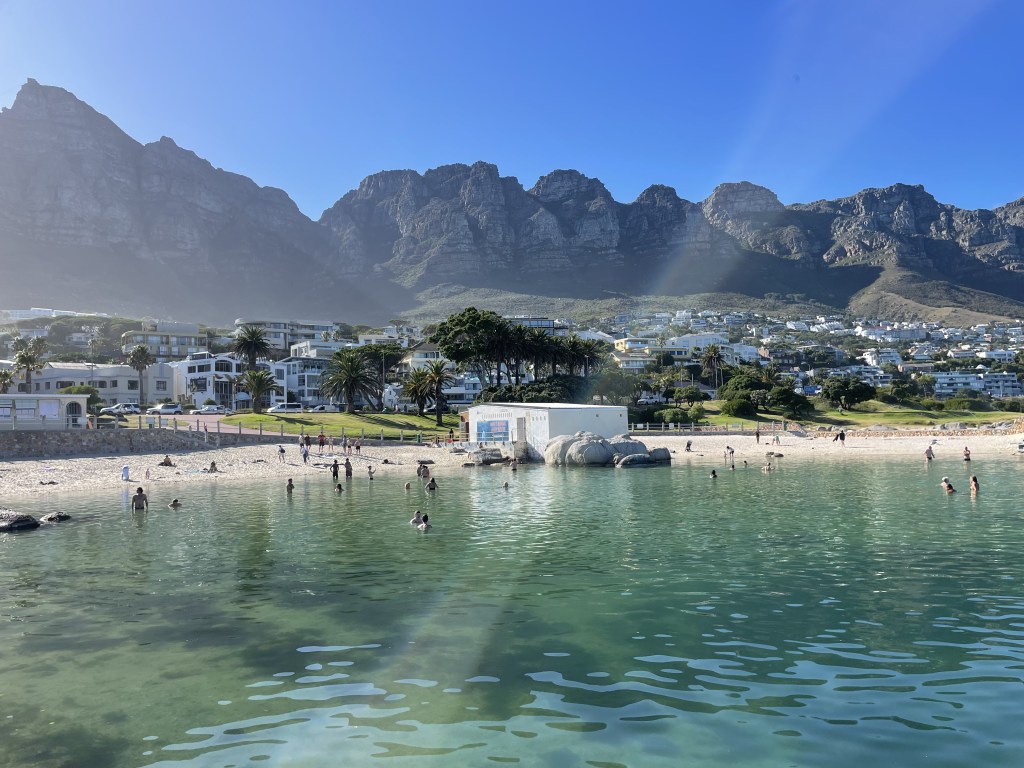
She invited me to join her in her morning plunge, a dip in the tidal pool at the shore. She warned it would be cold, and that for maximum benefit we needed to stay in the water at least 12 minutes. Uh, no.
This is not something I would normally do. I prefer not to rise early. I don’t particularly care for icy water. I said yes.
I waded in tentatively. It was cold, but not numbingly so. Fish swam around my ankles. I walked quickly deeper, then slowly. It was time. I started swimming to the outer wall, loving the buoyancy, loving the warmth of my muscles cutting through the chill of the water. We swam, we talked, we floated, we marveled at the beauty surrounding us.
I’m glad I said yes.

Morning Plunge in Camps Bay, photo by Holly -

Today’s Bloganuary prompt:
If you could, what year would you time travel to and why?
I’d travel back to December 2018, right when Dad was diagnosed with amyloidosis, and we were told he’d likely have 18 months to live (he passed four months later). I’d spend every day with him, talking. We could talk about anything and we’d be happy. In reality, we did talk a lot. Jokes that we had heard, him trying out for a AAA baseball team (and how he never realized his arm could hurt so much after just pitching one day), his journalism career, building the cabin, spirituality, favorite books. But I would do so knowing we only had four months (not 18) and pack as much love as possible into each day.

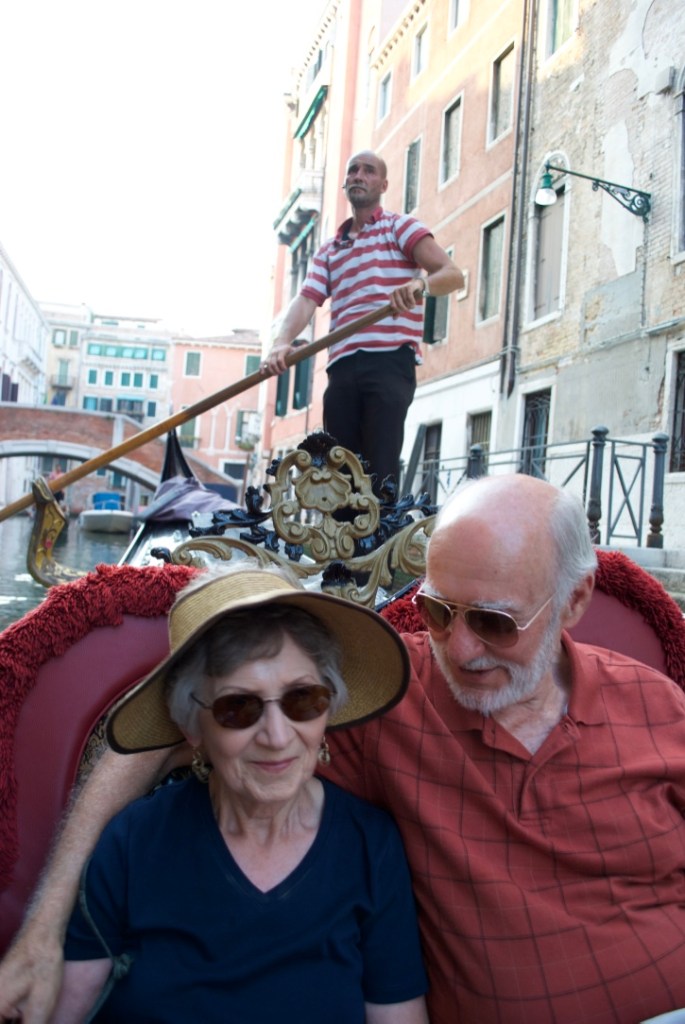
Confident we were beating the odds Or, I’d travel back to July 2015. When I met Mom and Dad in Italy for vacation. And we had so much fun exploring markets, eating gelato, visiting museums, and exploring cathedrals. We watched glass blowers in Murano. And bought antique jewelry. And rode gondolas in Venice. That was the summer we recognized the first signs of Alzheimer’s in Mom.

In a gondola in Venice Maybe I’d travel back to December 2009. I had joined Mom and Dad in Vienna, Austria, to celebrate their 50th wedding anniversary. Each day we walked from Christmas Market to Christmas Market, snow falling gently on us, arm in arm, laughing constantly. There was music everywhere, beautiful string quartets. We ate great food and drank delightful wine. Then we spent Christmas in France with dear friends. It was one of our best vacations together. We were all healthy; we were all happy.

In Paris, celebrating their 50th wedding anniversary Or maybe I’d travel back to June 1973. We had just moved into our new house in Rural Hall, NC. Dad drove to downtown Winston-Salem each day for work in an old, tattered, dark green Volkswagen Beetle. When it was time for him to return home, I’d walk, often barefoot, through the woods, along the quarter-mile gravel driveway, to wait and watch for him. I’d see the dark green Beetle Bug turn the corner at the end of the street and shimmy towards our driveway. I’d jump up and down, my scrawny arms waving, yelling, “Welcome home!” and he’d stop so that I could get in and ride back down the driveway with him.
And we’d still have a lifetime together.
-

My Bloganuary prompt for today:
What is your favorite photo you’ve ever taken?
It was hard to choose just one. And it was so fun looking through my photo library and reliving past trips and fun moments with friends. But this one is one of my absolute favorites.

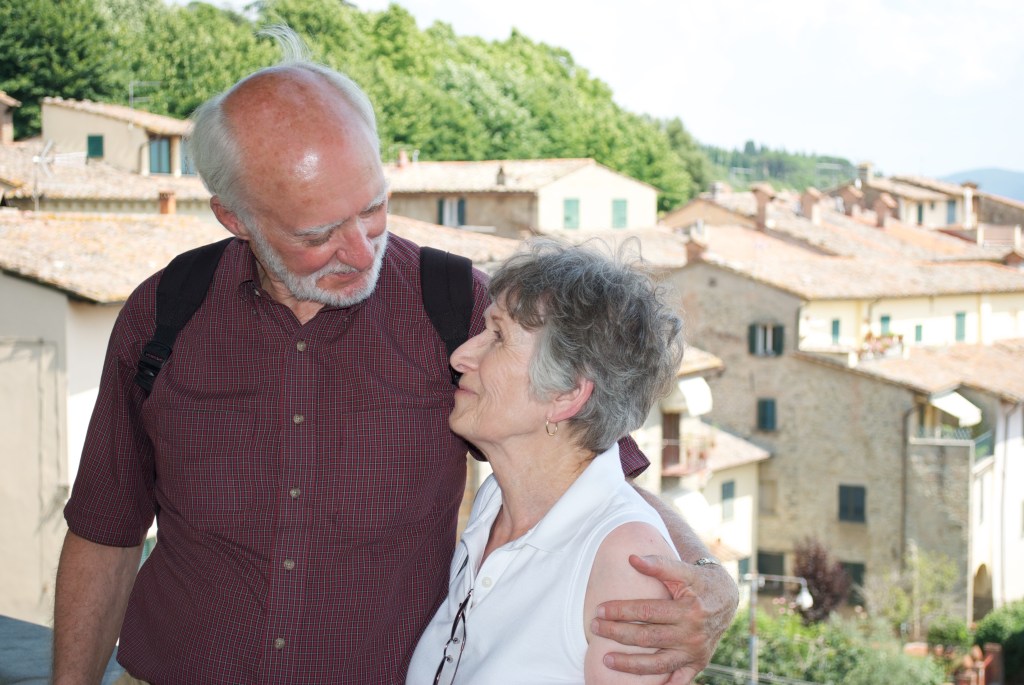
Dad and Mom in Italy This was summer 2015, and I had joined Mom and Dad in Italy for a couple of weeks. It was on this trip that we noticed that something wasn’t quite right with Mom. At first we thought she was joking with us. At restaurants, she would order, and when we were served, she would say, “I didn’t order this. I ordered that,” and she would point to either my or Dad’s plate. We would switch, thinking she was joking. But she wasn’t laughing. When I would get gelato for us, I’d come back with three cones, and she’d insist that she didn’t ask for the flavor I handed her, but one of our cones. And in the evening, we’d talk about our plans for the next day, and less than five minutes later, she’d ask, “What are the plans for tomorrow?”
I took Dad aside and asked if he noticed anything unusual. It was then that he shared she had wandered off while they were in Belgium, and he and the police spent hours looking for her. He was at a loss with what to do. We talked about resources they could access once they were back home. And this picture embodies the life they shared for 60 years, full of love and adoration for each other.
-
Today’s Bloganuary prompt is:
What is a road trip you would love to take?
Going anywhere with good friends is a treasure. But road trips aren’t my favorite. Mainly because I don’t enjoy driving (that’s what living in a city for 25 years with no car will do to you) and riding as a passenger lulls me to sleep immediately.
Walking, however, is another story. I love walking. I love the rhythm of walking, the ability to take so much in. You move slowly enough that the details don’t escape you. My favorite manner of walking is walking without a schedule. Meandering and allowing the day to unfold. There are a couple of walks in the United Kingdom that have piqued my interest – the Coast to Coast, the walk along Hadrian’s Wall. And once there, I’m sure I would discover many more.
For now, though, I’m happy walking the trails of the Blue Ridge Mountains when I can sneak away, or walking through Asheville neighborhoods and the Arboretum with Mom when I can’t.
-

I have been known to procrastinate. One of my first jobs was as a writer for the local newspaper and there was a thrill of turning something great in, right at the deadline. There is one major exception to my habit of procrastination. Taxes. I relish filing my taxes as soon as possible. I sat down this weekend, determined to have all the requisite paperwork to the accountants by Monday. This year, however, I had two sets of taxes to prepare. Mine, and my parents’. I probably should have done mine first. But for some reason, I didn’t.
As I worked through the organizer my Dad’s accountant sent me, questions stabbed me.
“Change in marital status?” Yes, J deceased in April 2019; S widowed in April 2019.
“Sale of residence?” Yes, after my Mom could no longer live on her own.
“Medical receipts?” So. Many. Medical. Receipts. As I organized them by month, the painful memory of each individual receipt overwhelmed me. Trips to the Emergency Department. Prescriptions in the hospital pharmacy. Waiting at the cancer center pharmacy. Trip after trip after trip to the local CVS, filling prescriptions for drugs that didn’t work.
I couldn’t breathe. I was back in 2019, back hoping that each proposed treatment would allow Dad to continue to live the life he wanted to. Not aware that he would leave us so soon. Gullible and believing him when he said that he would get better. And then I was sad. So incredibly sad that he wasn’t able to live the life he wanted to for as long as he wanted to. That he’s no longer here.
************
A friend invited me to join her for a special Fat Tuesday dinner tonight. The restaurant was serving special New Orleans cuisine and a jazz band played throughout dinner. Gold, green, and purple beads hung from the fixtures. She talked about going to New Orleans with her brother, and how he went to bed so early and they didn’t get to experience the late night jazz New Orleans is famous for. And just like that, I was overwhelmed with memories of my first trip to New Orleans.
I had just graduated from college and Dad said we should take a trip, just the two of us. I suggested New Orleans, and he booked everything. We saw all the historical sites during the day, and at night we ate great food and listened to so. much. music. I’d suggest going to one more bar to hear one more band, and he was always up for it. Our agreement was we could stay out as late as I wanted, but we had to be up at 8 am (ouch) the next morning to tackle the historical sites.
As I listened to the band tonight, I know that I’m forgetting parts of the trip. I so desperately want to remember every detail. When I returned home, I pulled out a box of pictures from that time (back when we still printed pictures from a roll of film at the local drug store) and looked for a picture of us from that trip. I couldn’t find any of us together. There were pictures he took of me, and pictures I took of him, but we hadn’t had the foresight to ask someone to take one of us together. And then I was sad again.
-

A while ago, a dear friend sent me a postcard from Cape Cod. And happened to mention that I should come visit on a future date when she’s there with her family. And I thought, “Yes!”
And then this year came, which has simply been hard. And she reached out and acknowledged it’s been a hard year, and wouldn’t I like to join her family in September on the Cape? She warned me that they were spectacular loafers. And I thought, “Yes!”
And I booked my tickets for a long weekend, and dreamed of lobster rolls.
And then got news that the company that I work for, Automattic, would be closing on the acquisition of Tumblr the exact dates that I planned to be on the Cape. And I thought, “Noooooo….”
I pondered. Should I cancel the trip? I talked to a colleague and she suggested that our work would be done well before closing (and in a perfect world it would have been). I thought about it some more and decided to go to the Cape and work from there as needed.
And there were things to be done, right up until the minute we closed. And I sat wrapped in my hoodie on the porch with a cool Cape breeze blowing and sent offer letters. And reviewed immigration cases. And responded to emails. And reminded myself that we get one shot at this life and I was on the Cape with a dear friend and her lovely family and jigsaw puzzles and lobster rolls and people who loafed like it was their job and their laid back attitude permeated the very air surrounding us. And each day before opening my computer I took the time to say good morning, and chit chat, and add a few pieces to the jigsaw puzzle, and dream about lobster rolls for lunch. And it might have been my most perfect vacation yet.
-

Selma hadn’t originally been on our itinerary. But we were so close. And the election was so near. And we were so close. We decided we couldn’t miss the chance to visit, where the march for voting rights began, less than a lifetime ago. It felt too important, and we were so close, to miss that chance. The road from Selma to Montgomery is mostly agricultural. A few cotton fields, some picked, some with cotton still on the stalks. We stopped halfway, in Lowndes, at the interpretative center there. Kenneth enthusiastically showed us the map, pointed out where we were (on the site of Tent City), why that was important, and invited us to watch Never Lose Sight of Freedom, one of the best videos I’ve ever watched. I wish that it was available on the internet, so everyone could watch it. Hearing interviews with the people in the marches, hearing them recollect what happened, hearing what they sacrificed – why would anyone not exercise their right to vote? Because when everyone votes, when everyone’s voice is heard, justice reigns.
So, if you’re in the US, and you’re reading this, and you haven’t already voted, please vote today. We are so close.

Proudly sharing I voted, at the Edmund Pettus Bridge in Selma -

The Legacy Museum: From Enslavement to Mass Incarceration
Sometimes you think you know about something, until you learn a little more, and it’s only then you realize how much more you have to learn.
I had first learned about the Peace and Justice Memorial in an Oprah magazine article earlier this year. My parents had taken a church sponsored trip to the African American museum in Washington, DC and had heard about it there. Months ago, we planned a trip. And last week, I found myself standing at the door of the museum on a cold, drizzly Thursday morning.
We entered the museum, passed through security, and then became immersed in videos and displays for almost four hours. A map showed the exponential increase of slaves in the south after the international slave trade was abolished in the US in 1808. Numbers of slaves were represented by tall red blocks on the map, state by state. As the years progressed through 1810, 1820, 1830, and onwards, the bars grew taller and taller, with Montgomery, AL being at the center of the trade. We heard stories from slaves being prepared for auction, stories of individuals searching for one last moment with their families. We read a giant timeline that covered the entire room, wall to wall, floor to ceiling, with important dates in the history of the US, how whites refused to concede control after the Emancipation Proclamation and the end of the Civil War. Instead of slavery, we had wide spread lynchings and mob violence. For another 100 years, African Americans were denied educational opportunities, the right to vote, and the law of the land was “separate but equal.” The Civil Rights Act of 1964 outlawed
discrimination based on race, color, religion, sex, or national origin. It prohibits unequal application of voter registration requirements, racial segregation in schools, employment, and public accommodations.
Why isn’t justice mentioned there? Why doesn’t it mention that discrimination in the legal and criminal justice system should also be outlawed? At first I found that interesting. As I continued through the exhibits, I wondered if it was intentional. Or, if it had perhaps been an oversight, one that future administrations would use to their advantage to continue to enslave people of color, through mass incarceration. One in three black men will be incarcerated during their lifetime. One in seventeen white men will be incarcerated. Statistically that can’t be just. That’s a system with bias.
I read to the end of the detailed timeline and my first thought was, “Good god we are fucked. How does an entire people believe that it’s okay to 1-treat people as property, 2- beat said people, 3-deny those people basic civil rights, 4-beat those people more, and 5-institutionalize violence, all based on race?” It wasn’t the only time during our visit to Montgomery that I did not feel hopeful about the future of our society.
Even with two school groups bustling throughout the museum, the mood was reverent. There was a wall of signs from the Jim Crow era, highlighting “Whites” and “Colored.” A whole wall. It was there, in your face, a system that people in power once thought was okay. There were videos of personal stories of how lynchings affected the story teller’s family. Of family members that were lynched. Of how it was, or was not, spoken of in the family. Of relocation to a new location, out of the deep south. There was a display of large glass jars, the type you might see in an old fashioned apothecary, filled with dirt from sites of lynchings, with the lynched person’s name inscribed on the jar. There were videos of volunteers collecting the dirt samples. There were wall hangings of auction dockets of slaves, listing the names, ages, and traits of the people for sale. There were letters from prisoners. There were small cubicles, replicas of visiting booths in prisons, where you could lift the receiver and hear the words and see the video of people in prison. On the sides of the cubicles, there were the rules listed for prison visits.
- No visits from nieces or nephews.
- All visitors must be on a pre-submitted list, updated every six months.
- No tinted or progressive lenses allowed.
- No clothing of certain colors allowed (khaki, white, there were others that I couldn’t remember).
- All visitors are subject to strip search.
There were more videos, some animated, some in person interviews, covering more history (like this one, from the EJI website). There was an exhibit about how children are more and more being tried as adults in the criminal justice system. There was a video of Anthony Ray Hinton, an innocent man who served almost 30 years on death row in Alabama. Tears ran down my face, knowing his story was not an exception, and also suspecting I don’t have the capacity for grace that he exhibited. I marvel at men like Mr. Hinton and Nelson Mandela, who have the capacity to forgive. The world is a better place because of them. There was a Civil Rights Wall of Fame, highlighting people who had made an impact in the advancement of civil rights. I wondered whose pictures in our lifetime would be added.
Photos weren’t allowed. I wish they were because it was a lot to take in at once. The EJI website is an amazing resource, and contains similar information as the museum. The museum, though, is an amazing experience. I know that many schools have field trips to Washington DC as part of their curriculum, learning about US history. I wish this site were also added as part of the curriculum. I can only imagine our society would be a better place if every citizen learned this history.
We boarded the shuttle to the The National Memorial for Peace and Justice.
It continued to be a gray, drizzly day. We walked to the entrance and passed through security once again. I get it. And it makes me sad/angry/ready to scream that we have security screening at memorials. We’re entering a sacred space. Why do people have so much hatred that they target people honoring the dead? I know why, and these were the thoughts I had as we entered, slowly walking up the gravel pathway towards the memorial.
It’s striking from afar. It’s more striking as I walked closer. I was among rows upon rows of rust-colored steel pillars, each with a county name and the names and dates of the lynchings that occurred there. Some columns had one name, others had a dozen. As I walked further into the memorial, the ground sloped downward, yet the pillars remained at the same height, hanging from the ceiling, until I was staring up at them, staring up at the memories of the lynched. The rain fell gently, and as the water ran down the steel pillars at the edge of the memorial, it appeared that tears, or perhaps droplets of blood, rolled down the pillars. Tears slowly ran down my face. How, as a society, were we capable of such violence? How, as a society, are we still capable of such violence, but instead of mobs carrying out the violence it’s officers of our justice system? Along the walls were placards with brief explanations of why the lynchings took place: he looked at a white lady, he voted, he was a successful farmer, she protested her husband’s lynching. I thought of the reasons African Americans were killed unnecessarily in the last few years: he was wearing a hoodie, he reached for his license, he was holding a cellphone that police thought was a gun, he was allegedly selling untaxed cigarettes, he was sitting in his apartment. The reasons today seem equally ridiculous as those from the past. Turning another corner, the ground slopes further downward, the pillars hang higher, and I saw these words etched on the wall:

For the hanged and beaten.
For the shot, drowned, and burned.
For the tortured, tormented, and terrorized.
For those abandoned by the rule of law.
We will remember.
With hope because hopelessness is the enemy of justice.
With courage because peace requires bravery.
With persistence because justice is a constant struggle.
With faith because we shall overcome.
I stared at the words and read them over and over. It was a message I needed to see.